Examples#
Below is a gallery of narrated notebook examples on how and why to use skore.
Note
If you would like to run the examples, please install their dependencies using
pip install -U skore[sphinx]
Getting started#
We recommend starting with these examples that provide an overall and gentle introduction to skore.
The end-to-end example requires Skore Hub credentials and is included only in builds that provide them. The Structuring data science experiments guide is always available as a local starting point.
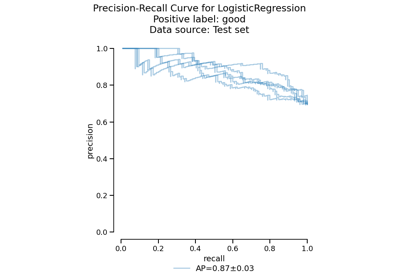
End-to-end data science use cases#
These examples showcase skore in action on real use cases. We aimed at showing skore’s ability to:
be compatible with scikit-learn
reduce boilerplate code for some standard de facto data science analysis
speed-up exploration by optimizing some internal computation
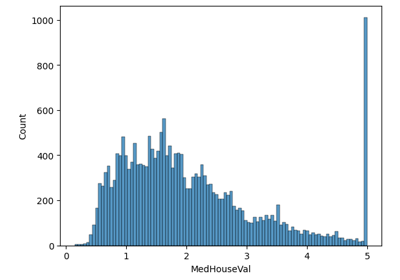
EstimatorReport: Inspecting your models with the feature importance
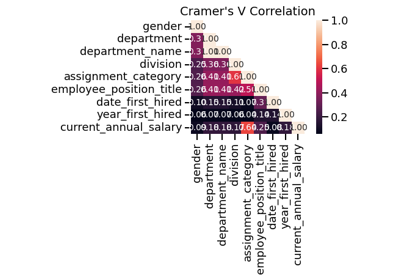

Model evaluation#
These examples illustrate how skore can help data scientists to improve their machine learning modelling thanks to methodological guidance and diagnostics.

Adapt skore to your use-case by adding your own metrics
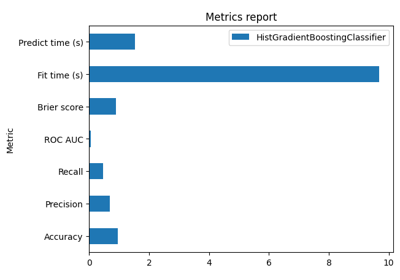
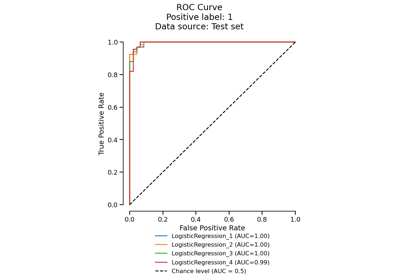
EstimatorReport: Get insights from any scikit-learn estimator
Checking for modeling pitfalls and remediation#
Examples for each automated check. Each script reproduces a check, and walks through fixes described in Automated checks.

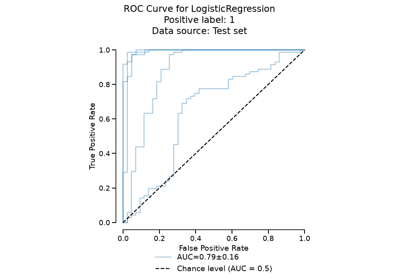
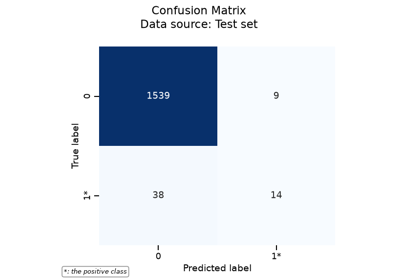
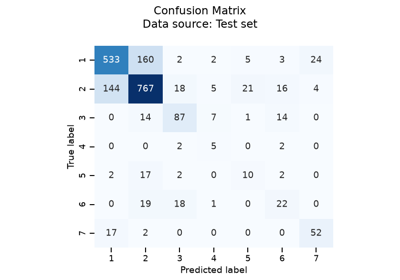
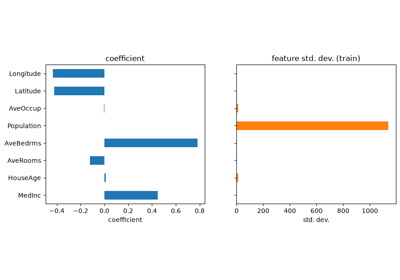
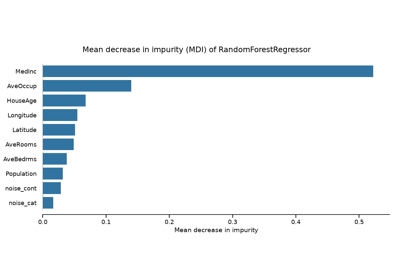
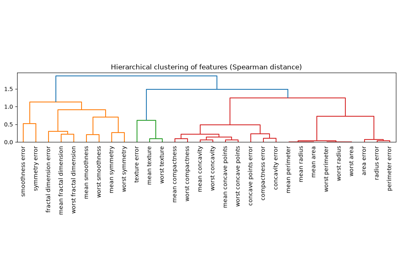

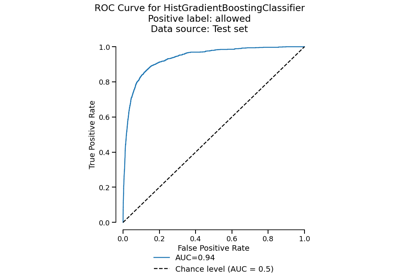
SKD009 - Model performance vs. HistGradientBoosting baseline

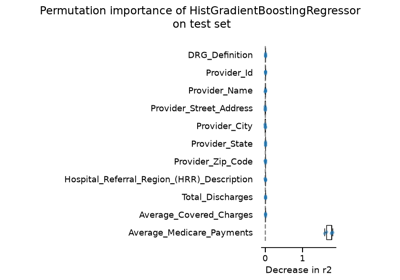
SKD011 & SKD012 - Golden feature and useless features



Integrations#
These examples show how skore integrates with other libraries of the Python data
science ecosystem.
The Skore Hub project example requires Hub credentials and is included only in builds that provide them. See Storing data science artifacts for the always-available project workflow.

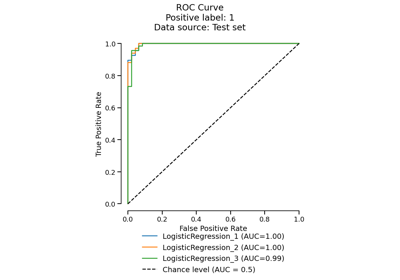
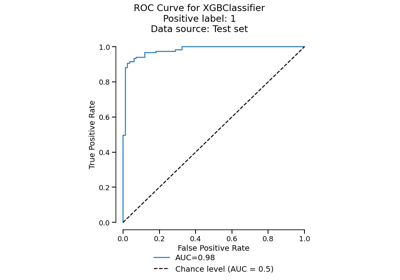
Using skore with scikit-learn compatible estimators
Technical details#
These examples show some technical details at the core of skore to better understand some of the mechanics under the hood.